Flaky Croissant Dough
Highlighted under: Sweet Creations
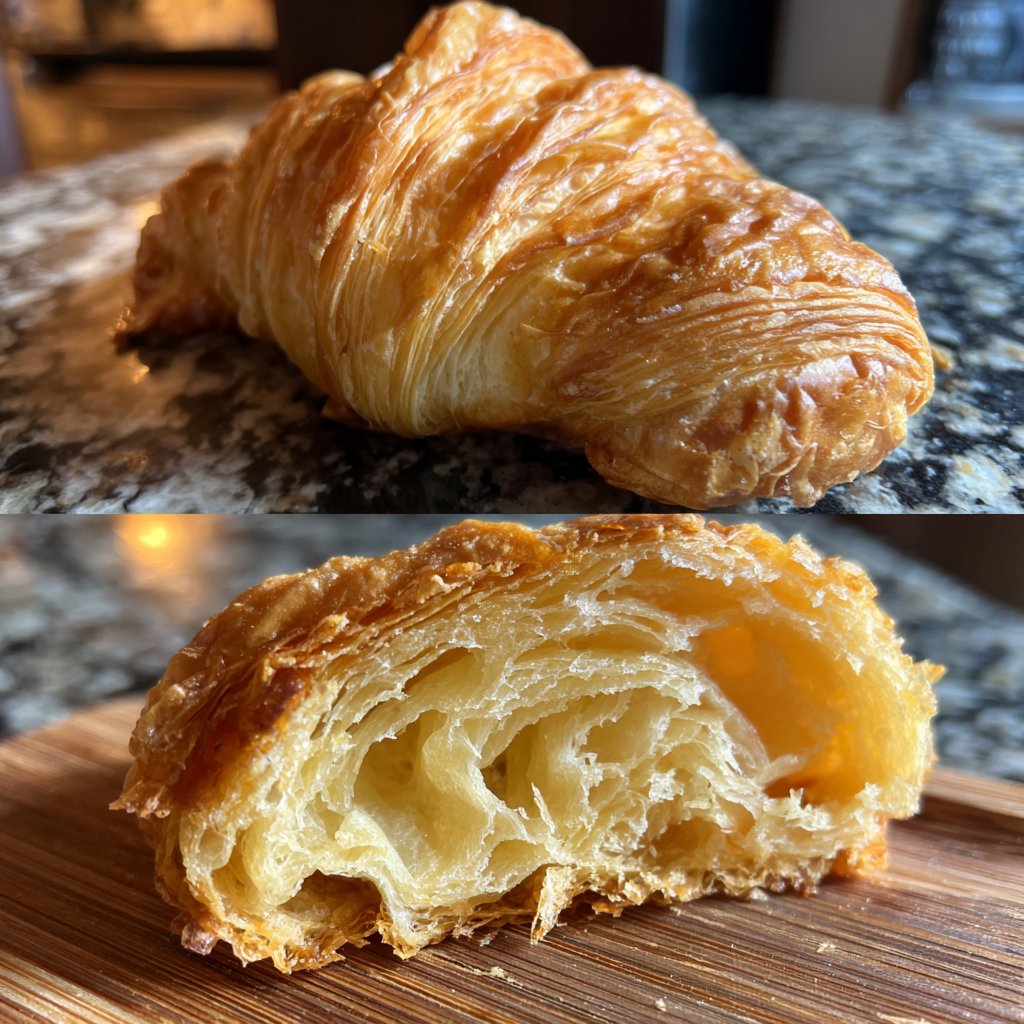
I have always been captivated by the delicate layers of a freshly baked croissant. When I decided to make my own flaky croissant dough, I knew it would be a labor of love, and it truly was. The method may seem complex, but I assure you every step is worth it. We’ll be folding butter into the dough multiple times, creating those signature layers that will lead to a crispy golden exterior and a buttery, soft interior come baking time. It's an experience to savor!
When I first tackled croissant dough, I was amazed at how simple ingredients transformed into such an exquisite pastry. I meticulously followed the folding technique, ensuring the cold butter and dough remained at the right temperature, which is crucial for achieving those beautiful layers. I discovered that using high-quality flour made a significant difference in the final outcome, providing a better texture and taste.
The first bite of my homemade croissant was a moment of triumph. I learned to let the dough rest appropriately between folds, allowing gluten to relax, which ultimately contributed to the final flakiness. It's a hands-on process, and while it takes time, the delicious results are undeniably rewarding.
Why You'll Love This Recipe
- The intoxicating aroma of freshly baked croissants wafting through your kitchen
- Layers upon layers of buttery goodness and crispness that you just can't resist
- The satisfaction of creating something so indulgent from scratch
Understanding The Dough
The dough for flaky croissants is a beautiful blend of flour, sugar, salt, and yeast, activated by the addition of warmed milk. The yeast plays a critical role here by creating air pockets, which develop during the rise. Instant yeast is preferred for its convenience, requiring no proofing time. Knead your dough until it is smooth and elastic; this will create the gluten structure necessary for lifting and trapping the air during baking, ensuring your croissants achieve that perfect rise.
The addition of melted butter to the dough enriches its flavor and contributes to the final layered texture. Opting for unsalted butter ensures you can control the saltiness of your croissants, allowing the sweet, buttery notes to shine through. Remember, the dough should feel tacky but not overly sticky when you finish kneading; if it's too sticky, you might need to add a sprinkle of flour to help manage it.
Mastering the Folding Technique
Incorporating the cold butter into the dough is crucial for achieving those authentic flaky layers. After pounding the butter into a flat rectangle, make sure it is pliable but not too soft; it should be cold enough to maintain structure while being encased by the dough. When you fold the dough over the butter, ensure it is completely sealed to prevent the butter from leaking out—a common issue that could lead to less-than-ideal layers.
As you perform the folds, rolling the dough to an even thickness will help maintain uniform layers, enhancing the texture. Keep your rolling pin dusted with flour to minimize sticking, and be gentle, applying even pressure rather than excessive force. The goal is to elongate and flatten the dough without tearing it; if you experience any tearing, allow the dough to rest briefly to relax the gluten before continuing.
Baking and Serving Tips
Baking at the right temperature is essential for producing perfectly golden-brown croissants. Preheating your oven to 400°F (200°C) will ensure that the exterior crisps up quickly while the inside remains soft and airy. Consider using a baking stone if you have one, as it can help maintain consistent heat distribution, leading to an even bake. Remember to check for doneness; the croissants should have a deep golden hue and sound hollow when tapped.
Once baked, let the croissants cool slightly before serving; this allows the interior steam to settle, ensuring they maintain their flaky texture. Enjoy these warm, possibly with a spread of jam or butter. If you have leftovers, store them in an airtight container at room temperature for 1-2 days, or freeze them for longer storage. To reheat, pop them in a warm oven for a few minutes to restore their crispness.
Ingredients
Gather the following ingredients to start your flaky croissant dough:
Dough Ingredients
- 4 cups all-purpose flour
- 1/4 cup granulated sugar
- 1 tablespoon salt
- 1 tablespoon instant yeast
- 1 1/4 cups milk, warmed
- 1/2 cup unsalted butter, melted
- 1/4 cup cold water
Butter Layer
- 1 1/2 cups unsalted butter, cold and cubed
With these ingredients ready, you are set to make the dough and fold in the butter!

Instructions
Follow these steps carefully to achieve the perfect flaky croissant dough:
Make the Dough
In a bowl, combine flour, sugar, salt, and instant yeast. Gradually mix in the warmed milk and melted butter, followed by the cold water. Knead the mixture until smooth and elastic, then shape it into a ball.
First Rise
Place the dough in a lightly greased bowl, cover it with plastic wrap, and let it rise in a warm place for about 90 minutes until doubled in size.
Prepare the Butter Layer
On a parchment-lined surface, place the cubed cold butter and pound it with a rolling pin until it forms a flat, even rectangle about 1/2 inch thick.
Incorporate the Butter
Roll out the dough into a large rectangle about 1/4 inch thick and place the butter layer in the center. Fold the dough over the butter, encasing it completely.
First Fold
Roll the dough out again into a rectangle and fold it into thirds, like a letter. Wrap it in plastic and refrigerate for 30 minutes.
Repeat Folds
Repeat the rolling and folding process two more times, chilling the dough for 30 minutes between each fold.
Final Roll and Cut
After the final fold, roll the dough out to 1/4 inch thickness. Cut triangles for croissants, then shape and roll each triangle from the base to the tip.
Final Proof
Place your formed croissants on a baking sheet lined with parchment and let them rise for about 30 minutes, until slightly puffed.
Bake
Preheat the oven to 400°F (200°C). Bake the croissants for 15-20 minutes until golden brown and crispy.
Once baked, enjoy your homemade croissants fresh from the oven!
Pro Tips
- To ensure perfect layers, keep your butter and dough as cold as possible during the folding process. Also, using European-style butter will enhance the flavor and flakiness.
Ingredient Substitutions
If you prefer a dairy-free option, you might consider substituting the butter with a plant-based alternative designed for baking, but remember that the texture may vary slightly. Look for brands that are high in fat to replicate the richness of traditional croissants. For the milk, unsweetened almond milk or oat milk can work well, although using a nut milk may impart a subtle flavor to your croissants.
Gluten-free flour can also be used, but it requires specific blends and often additional binding agents such as xanthan gum to mimic the elasticity and structure of all-purpose flour. Always follow specific instructions for gluten-free baking, including potentially different hydration levels.
Troubleshooting Common Issues
If your croissants don’t rise properly, the dough may not have been given sufficient time to proof, or the yeast may have been expired. Always check the expiration date on your yeast and ensure the dough is placed in a warm, draft-free location to rise. A good rule of thumb is to take note of the dough's size—if it has doubled, it’s ready to proceed to the next step.
In the event of butter leakage during baking, this can be a sign that the butter was too soft when encased in the dough or that the dough wasn’t rolled out thick enough. Try refrigerating your butter again before the next folding to keep it cold and solid, and ensure thorough sealing at each fold to maintain the integrity of the butter layer.
Questions About Recipes
→ Can I make the dough ahead of time?
Yes! You can prepare the dough and refrigerate it overnight before the final proofing and baking.
→ What if my dough is too sticky?
If the dough is too sticky, you can lightly flour your work surface and rolling pin. Be careful not to add too much flour, as it can affect the texture.
→ Why do my croissants not puff up?
Insufficient chilling between folds can lead to that issue, so ensure you’re allowing enough time for the dough to rest and chill.
→ Can I freeze the dough?
Absolutely! You can freeze the shaped croissants before proofing. When ready to bake, let them thaw and rise before proceeding to bake.
Flaky Croissant Dough
Created by: Piper Andrews
Recipe Type: Sweet Creations
Skill Level: Intermediate
Final Quantity: Approximately 12 croissants
What You'll Need
Dough Ingredients
- 4 cups all-purpose flour
- 1/4 cup granulated sugar
- 1 tablespoon salt
- 1 tablespoon instant yeast
- 1 1/4 cups milk, warmed
- 1/2 cup unsalted butter, melted
- 1/4 cup cold water
Butter Layer
- 1 1/2 cups unsalted butter, cold and cubed
How-To Steps
In a bowl, combine flour, sugar, salt, and instant yeast. Gradually mix in the warmed milk and melted butter, followed by the cold water. Knead the mixture until smooth and elastic, then shape it into a ball.
Place the dough in a lightly greased bowl, cover it with plastic wrap, and let it rise in a warm place for about 90 minutes until doubled in size.
On a parchment-lined surface, place the cubed cold butter and pound it with a rolling pin until it forms a flat, even rectangle about 1/2 inch thick.
Roll out the dough into a large rectangle about 1/4 inch thick and place the butter layer in the center. Fold the dough over the butter, encasing it completely.
Roll the dough out again into a rectangle and fold it into thirds, like a letter. Wrap it in plastic and refrigerate for 30 minutes.
Repeat the rolling and folding process two more times, chilling the dough for 30 minutes between each fold.
After the final fold, roll the dough out to 1/4 inch thickness. Cut triangles for croissants, then shape and roll each triangle from the base to the tip.
Place your formed croissants on a baking sheet lined with parchment and let them rise for about 30 minutes, until slightly puffed.
Preheat the oven to 400°F (200°C). Bake the croissants for 15-20 minutes until golden brown and crispy.
Extra Tips
- To ensure perfect layers, keep your butter and dough as cold as possible during the folding process. Also, using European-style butter will enhance the flavor and flakiness.
Nutritional Breakdown (Per Serving)
- Calories: 250 kcal
- Total Fat: 16g
- Saturated Fat: 10g
- Cholesterol: 30mg
- Sodium: 180mg
- Total Carbohydrates: 24g
- Dietary Fiber: 1g
- Sugars: 1g
- Protein: 5g